.avif)


When someone is looking for a new job, your hiring process shapes their first experience with your company. If that process feels slow or cumbersome, they won't get the best impression of your organization. This is a widespread issue, with U.S. Bureau of Labor Statistics data showing less efficiency in filling job openings in recent years. As a result, you might lose top-quality talent if the candidate accepts another job offer.
A detailed and thorough hiring process is critical for attracting the most qualified individuals to your organization. However, you need a vetting process that prioritizes speed as well as quality. Inefficient processes, unclear communication, and roadblocks caused by red tape can create delays that can prevent you from hiring the best candidates.
If the recruitment and hiring process drags on, you may need to rethink your strategy. Comprehensive best practices for recruitment and hiring allow you to onboard top talent more efficiently and build a solid relationship with new employees from the first interaction.
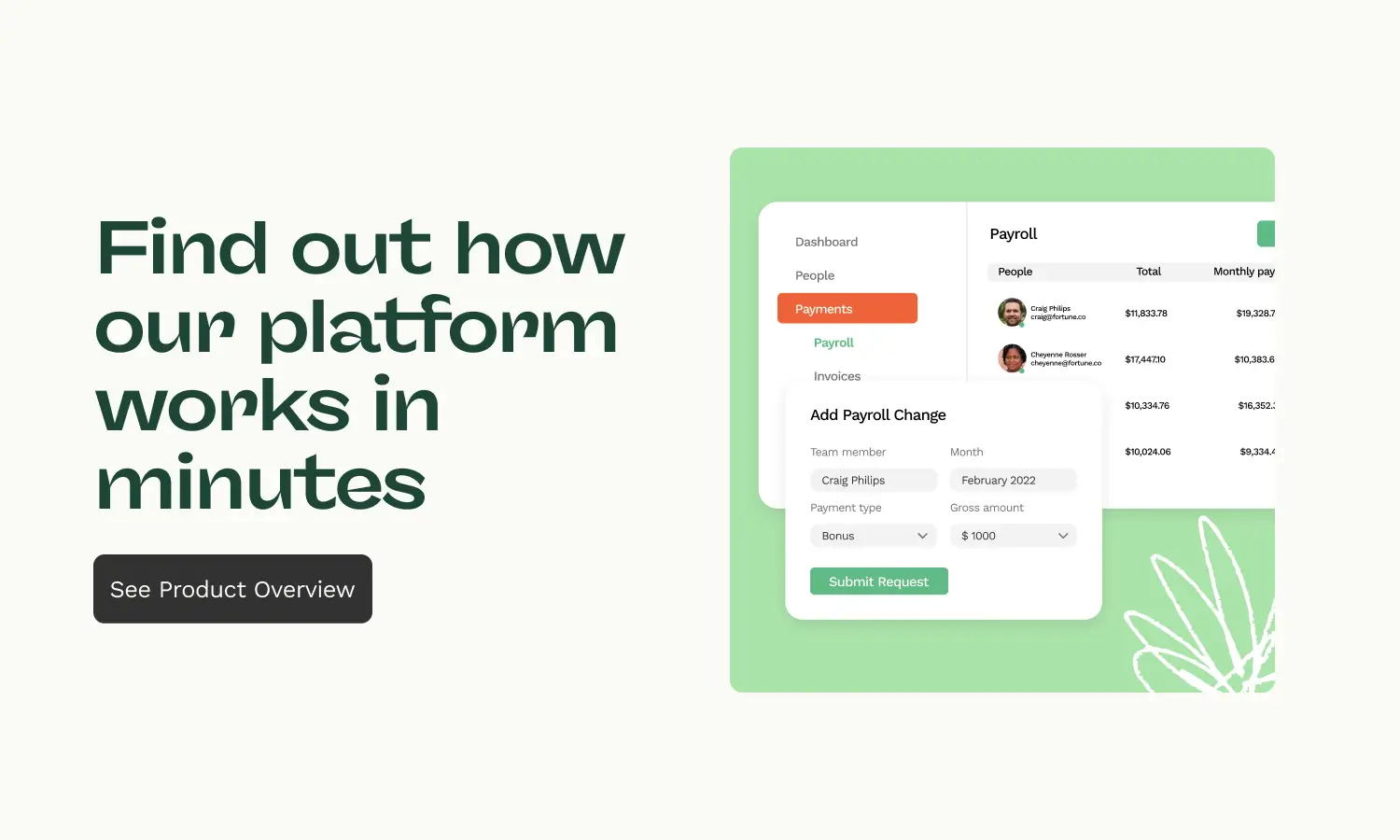
Interested in Oyster but want more information about how the platform works? This product overview should help.
What is a hiring process?
A hiring process is a structured sequence of steps that takes companies from identifying a personnel need to successfully onboarding a new employee. This typically involves planning (needs assessment, job descriptions), recruitment (advertising, screening, interviewing), and selection (decision-making, offers, onboarding).
Everything in between—searching for the right candidate, conducting interviews, extending a job offer—should be as quick and efficient as possible. Many organizations conduct the hiring process independently and benefit from clearly designed processes.
Detailed hiring protocols simplify a hiring manager's job while reflecting a company culture that values organization and respects candidates' time. This attitude will help keep potential new hires interested.
9 Steps of the hiring process
The recruitment process has many moving parts, each with its own tasks and responsibilities. Let's break down the best hiring practices so you can navigate the process with ease.
Planning
Careful planning sets the foundation for landing a good hire. This stage involves interdepartmental collaboration to identify hiring needs and build an effective strategy to fill the job role.
1. Assess your hiring needs
Begin by determining if it's the right time to hire a new team member. If your organization is growing or has a recent vacancy, a new hire likely justifies the cost of recruitment and employment, especially in a competitive market where, in a single month in 2018, there were 6.6 million jobs remaining unfilled nationwide. However, creative restructuring, internal promotions, or hiring independent contractors can preserve financial and administrative resources for other business needs.
2. Create a recruitment plan
Once you determine a new hire is needed, build a recruitment team to manage the process. Organizations can work internally via their HR department or outsource to a professional recruiter.
The team is in charge of the following functions:
3. Explain what the job entails
Write a job description that clearly identifies the skills, experience, and knowledge needed to perform the job. A well-written job description provides clear, detailed information that helps candidates gauge company expectations and narrows the applicant pool to the most qualified job seekers.
Recruitment
Hiring managers should expect an influx of candidates. A comprehensive recruitment protocol helps sift through applications and methodically assess candidates for interviews.
4. Advertise the job
Choose a set of targeted advertising channels (e.g., industry-specific job boards, social media platforms, and professional networks). Beyond a detailed job description, include information regarding salary ranges, benefits, and unique perks. Transparency reflects a positive company culture and helps attract top talent.
5. Review applications
Screen resumes and cover letters to identify candidates who meet the essential qualifications and experience. An automated applicant tracking system (ATS) can do a lot of heavy lifting in this step of the hiring pipeline, scanning applications, resumes, and cover letters for specific keywords to ensure you select the best candidates.
6. Plan and conduct interviews
Once you've selected a group of candidates, schedule interviews in person or online. To effectively evaluate candidates, the interview format should adapt to suit the role (e.g., skills tests versus simple question-and-answer). Prepare interview questions in advance and remain consistent across interviews to assess everyone fairly.
Although some hiring processes may require multiple rounds of interviews, more than four or five rounds over a long period can be a red flag for potential hires.
Selection
You've completed the interview process and are ready to extend an offer. Here's how to ensure a good fit.
7. Select an applicant
Consider a candidate's interview performance, qualifications, and cohesion with company culture. Hiring managers, HR, team leads, and cross-functional team members should all have a say in choosing applicants to ensure the new hire is the best match for the position and the team.
8. Extend a job offer
After identifying the ideal candidate, send a job offer letter detailing the start date and salary. This is an opportunity to reiterate job duties, work hours, and other details. The hiring manager should understand clear parameters of what is and isn't negotiable, including salary, work hours, leave, and hybrid work options.
9. Start onboarding
Begin the onboarding process by integrating the new hire into the organization. Best practices for ensuring a smooth transition and helping them hit the ground running include providing hands-on training, relevant resources, and proper introductions to the team. This approach supports their swift adaptation and sets them up for success.
Best practices to build an efficient hiring process
A more efficient hiring process begins with a review of current methods to identify bottlenecks and roadblocks. Common issues include a poorly defined hiring roadmap, unclear job descriptions, and cumbersome manual processes.
Want to hire global talent more efficiently? Here are five proven methods to streamline your pre-employment process:
Establish an employer brand
Branding isn't only for reaching customers. You also need an employer brand that attracts eager candidates—even those who aren't actively job hunting.
A strong employer brand speeds up recruitment by making your company more sought-after. Key elements include:
Provide detailed job descriptions
A strong job description is the bridge between your organization and qualified candidates. Job postings that fail to articulate relevant skills and qualifications tend to attract suboptimal job candidates.
Instead, clearly define what your company is looking for and what successful applicants should bring to the table. Organizing desired skills into "must have" and "nice to have" categories can expand your search pool to attract candidates who meet the essential criteria.
Invest in automated tools
Ever been overwhelmed by the volume of applications? It's common for a business to receive hundreds of resumes for a single position, and manual screening slows everything down—from resume reviews to interview scheduling.
Automated tools like applicant tracking systems transform this chaos into organized workflows:
Simplify interviewing
In the early stages of interviewing, phone or video interviews can quickly screen applicants, especially international candidates. Narrow the field to top picks before inviting them to in-person interviews, saving time for executives and other stakeholders.
Structured interviews also help ensure an efficient and ethical hiring process. A clear set of criteria enables interviewers to objectively evaluate candidates' abilities and qualifications and compare individual job seekers.
Focus on candidate experience
Here's the reality: job seekers crave communication during hiring. Radio silence after multiple interview rounds? That's how you lose top talent.
Keep candidates engaged with clear communication:
Scale Your Hiring Process Globally
To attract and retain top industry talent, you need an efficient hiring process that streamlines the candidate experience and fosters strong employee relationships from the start. As your team grows, these steps provide a scalable framework for success.
Ready to expand beyond borders? Oyster empowers you to access a global talent pool and eliminate geographical limitations. You can confidently onboard top candidates from around the world while ensuring compliance with local employment regulations.
Start hiring globally and connect with world-class talent to build diverse, competitive teams that drive innovation and growth.
Oyster is a global employment platform designed to enable visionary HR leaders to find, engage, pay, manage, develop, and take care of a thriving distributed workforce. Oyster lets growing companies give valued international team members the experience they deserve, without the usual headaches and expense.
Oyster enables hiring anywhere in the world—with reliable, compliant payroll, and great local benefits and perks.