What is working from home?

Working from home
Working from home (WFH) is a common modern working practice where workers carry out their job from their home. In the first quarter of 2024, this arrangement accounted for 22.9 percent of people at work, a notable increase from the previous year. This can be either permanently or on certain days as part of a hybrid working arrangement.
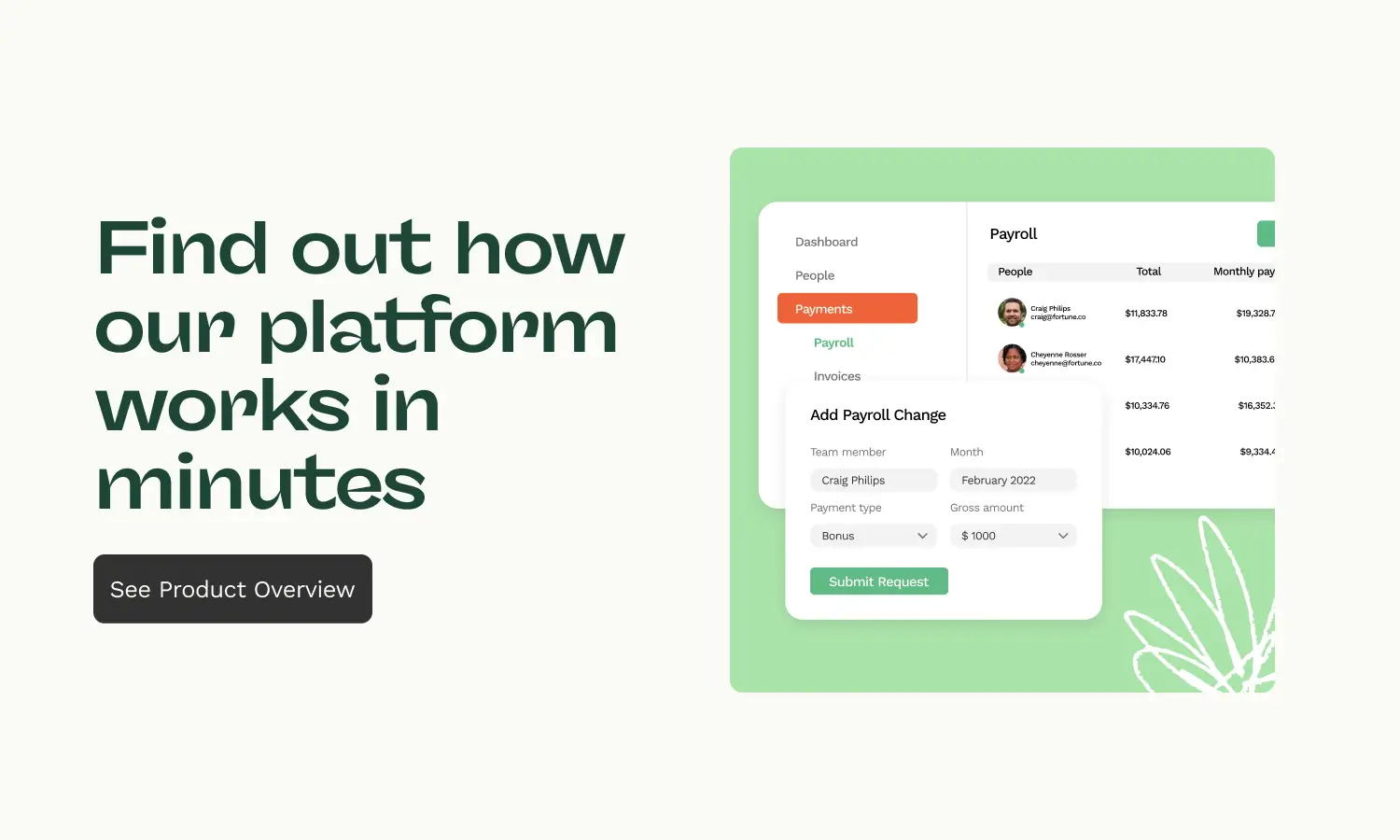
Interested in Oyster but want more information about how the platform works? This product overview should help.
What's the difference between working from home and remote working?
Working from home means employees perform their job duties from their residence instead of a traditional office. While "remote work" and "working from home" are often used interchangeably, there are key differences in scope and permanence.
"Working from home" also implies the obvious—that the worker is at home—whereas with "remote work" a worker could be at home, in a coworking space, in a cafe, travelling, on a train, or in another country.
Benefits of working from home
So, what are the real advantages of letting your team work from home? Beyond the obvious flexibility, embracing WFH unlocks strategic benefits that can fuel growth and boost team satisfaction.
- Access to a wider talent pool: Hiring is no longer limited by geography. You can find the best person for the role, regardless of where they live.
- Reduced overhead costs: With fewer people in the office, companies can save significantly on rent, utilities, and other facility-related expenses, as research shows that an increase in remote work is associated with a decrease in unit office building costs growth.
- Improved employee retention: Offering the flexibility to work from home is a highly sought-after benefit that can boost morale and loyalty. In fact, one study found that 46% of remote-capable workers would be unlikely to stay at their job if remote work was no longer an option, helping you keep your best people.
Challenges of working from home
Now, let's be honest—managing a distributed team isn't all smooth sailing. While the benefits are clear, remote management brings unique challenges that require thoughtful solutions.
- Maintaining company culture: It takes intentional effort to build camaraderie and a sense of shared purpose when team members aren't physically together.
- Ensuring compliance and equity: Paying and providing benefits to employees in different regions or countries introduces legal and administrative complexity.
- Preventing burnout and isolation: Without the natural separation of office and home, employees can struggle to switch off, and feelings of isolation can creep in.
Tips for working from home successfully
Setting your team up for success when working from home requires a thoughtful approach. It's less about monitoring activity and more about empowering your people.
- Establish clear communication protocols: Decide which tools to use for different types of communication and set expectations for response times.
- Provide the right tools and technology: Ensure everyone has secure and reliable access to the software and equipment they need to do their job effectively.
- Focus on outcomes, not hours: Trust your team to manage their time. Measure success based on the quality of their work and their ability to meet goals.
Managing distributed teams effectively
Here's where things get tricky for growing companies: as teams become more distributed, managing payroll, benefits, and compliance across different locations becomes increasingly complex.
Juggling multiple systems and local regulations can quickly overwhelm People Ops teams. This is where a unified approach makes all the difference.
For companies ready to build a thriving distributed team, a global employment platform can simplify everything from compliant hiring to payroll. Start hiring globally with a partner that makes it easy to care for your team, no matter where they are.
FAQ’s
Is working from home as productive as office work?
Yes, with proper structure and clear goals, remote employees often match or exceed office productivity. Research indicates that a rise in remote work is associated with an increase in TFP growth (total factor productivity), likely due to fewer distractions and more flexible schedules.
What equipment and setup do employees need for effective WFH?
Essential requirements include reliable internet, a dedicated workspace, and a computer. Many employers offer equipment stipends to support proper home office setups.
How do you manage a team that works from home?
Focus on results over hours, maintain regular communication, and use centralized tools for alignment. Trust and clear expectations are essential for remote team success. Disclaimer: This article and all information in it is provided for general informational purposes only. It does not, and is not intended to, constitute legal or tax advice. You should consult with a qualified legal or tax professional for advice regarding any legal or tax matter and prior to acting (or refraining from acting) on the basis of any information provided on this website.
.webp)
About Oyster
Oyster is a global employment platform designed to enable visionary HR leaders to find, hire, pay, manage, develop, and take care of a thriving distributed workforce. Oyster lets growing companies give valued international team members the experience they deserve, without the usual headaches and expense.
Oyster enables hiring anywhere in the world—with reliable, compliant payroll, and great local benefits and perks.

Related Resources
.avif)
How much does an employee cost your business?
Find out how much an employee really costs.

10 takeaways from the Facebook remote working town hall
Learn from Facebook's new remote working policies

Permanent Establishment Risk: What Global Employers Should Know (2026)
Learn what permanent establishment risk is, how the OECD's latest guidance affects remote teams, and practical ways global employers can reduce unintended tax exposure.

Digital nomad taxes: 5 things you need to know
How to tackle the challenges of working as a digital nomad.

What is a PEO? EOR? GEO? AOR? Our legal expert weighs in
Confused by these terms? We’ve got you covered.

How to terminate an employee: A go-to guide for managers
Employee termination tips from Oyster's legal experts.
