
If you’re a People leader (or hoping to become one), 2026 is shaping up to be a real turning-point year. The forces that have reshaped HR over the past few years (hybrid work, AI, skills-based thinking, employee experience) aren’t disappearing anytime soon. But they are evolving. And the organizations that lean in deeper will be the ones everyone else ends up trying to copy.
Here are the trends I see becoming especially influential in 2026—plus a few tactical ideas you can start testing now.
Generative AI as a valuable co-pilot for People teams
AI has been hovering around the edges of HR for a while, but 2026 is the year it finally shifts from “interesting experiment” to “everyday tool.” Honestly, the “chatbot that answers FAQs” is the low bar. The real value will come when generative AI starts assisting (with human oversight) in:
- Workforce planning scenarios and what-if modeling
- Personalized learning paths and career journeys
- Drafting role descriptions, interview questions, and performance feedback drafts
- Predicting attrition trends, engagement dips, and internal mobility opportunities
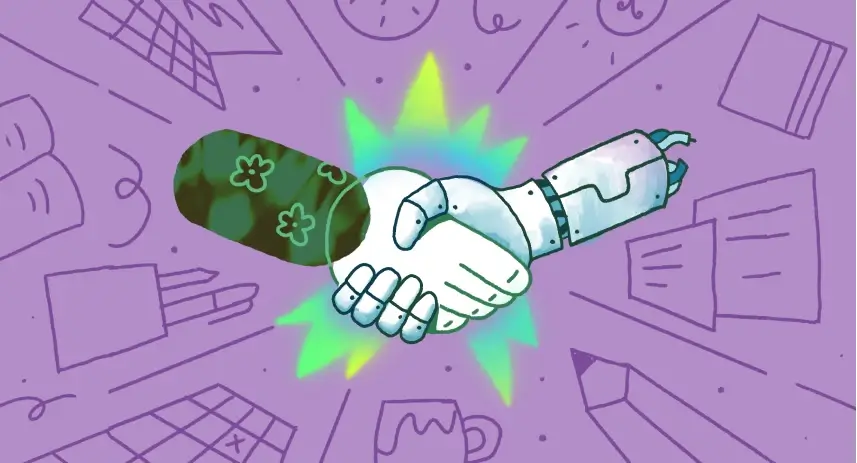
The magic happens when humans and AI work together—without sacrificing the empathy, fairness, and judgment that real people bring. AI can support you, but it shouldn’t replace the “human” in human resources.
How you get ahead of this now:
- Run small experiments: Pick one HR process (e.g. drafting job descriptions or feedback) and pilot AI plus human review.
- Build an AI governance framework (bias checks, transparency, explainability, etc.).
- Upskill a few HR team members in prompt engineering and AI fluency (earlier-career Gen Z employees can be good candidates for this).
Talent pipelines will evolve into talent networks
The old model was: attract, hire, develop, retain. That’s still relevant, but in 2026 I think we’ll see more fluid talent communities—internal, external, gig, fractional, partner networks. In other words: talent as a network, not a static funnel.
Your “bench” might not always be full-time employees—it might be alumni, consultants, community members, micro-credentials, or even talent marketplaces.
What to experiment with:
- Map out your “talent network”: who are the non-employee contributors (alumni, consultants, partners)?
- Design flexible “tap-in/tap-out” roles or projects (think internal gigs).
- Use platforms or marketplaces to tap external talent globally when needed.
Expect well-being to shift toward holistic, human-centered support
We’ve had cycles of mental health initiatives, flexible work policies, and endless perks. In 2026, well-being goes deeper. It becomes a core part of how we work and lead, not something tacked on at the end.
As humans and AI start rubbing shoulders in more of our daily work, the pressure can creep up—along with perceptual overload and a bit of emotional whiplash. Employees will expect real mental and emotional well-being support wherever they are, whether fully remote, hybrid, or in-office.
What to bake in:
- Wellness tied to work design, not just programs (e.g., micro-breaks, async policies, boundary setting).
- Coaching, psychological safety, community circles, and peer support built into everyday team practices.
- Monitoring “tech fatigue” or “AI fatigue” where automation overload becomes a stress.
Pay transparency and compensation equity take center stage
The regulatory landscape is getting a serious shake-up. Take the EU’s upcoming Pay Transparency Directive, which will require companies to justify pay gaps and even reverse the burden of proof in discrimination claims. And with employees demanding more fairness and transparency, those old-school, opaque compensation models won’t just look outdated, they’ll look downright risky.
What to prepare:
- Audit your existing compensation bands, pay-setting methodologies, and equity gaps.
- Define clear equity and justification criteria for pay differences.
- Communicate transparently about how compensation decisions are made (within legal boundaries).
Skills over roles: Dynamic reskilling becomes non-negotiable
The days of staying in one role for a decade and calling it growth are over. The future favors people who re-skill, stretch, and pivot. In 2026, the teams that treat skills, not titles, as their currency will have the real advantage.
We’ll see more internal mobility programs, cross-skill rotations, and stretch opportunities.
What to try now:
- Build “skill baselines” and gap maps (versus just job descriptions).
- Offer “skill-taster” experiences: Short projects or rotations in new domains.
- Reward and showcase “learning journeys” as much as promotions.
Culture, connection, and belonging will need more intentional design
When teams are distributed, culture risks getting diluted. In 2026, culture becomes more intentionally engineered. Rituals, community, norms, and connection become more proactive.
Key tensions to solve:
- How to maintain belonging when people rarely share space.
- How to onboard culture for new hires who may never see an HQ (or even where one doesn’t exist at all).
- How to surface informal networks, mentorship, and “watercooler moments.”
Tactics to lean into:
- Rituals (micro-huddles, cross-team “walk and talk,” “storybook” sharing)
- Virtual co-working spaces or office hours
- Pairing or buddy systems (especially for remote folks)
- Embedding values into everyday decision-making
Sustainability and “green HR” become part of HR’s mandate
Sustainability is no longer just a corporate social responsibility (CSR) topic. In 2026, People teams increasingly play a role in building sustainable workplaces: Carbon-conscious policy choices, remote/hybrid work to reduce commuting emissions, green office design, and reducing waste in People operations.
What to explore:
- Review HR processes for waste and inefficiency (travel, paper, duplicate systems).
- Support remote or hybrid work to reduce commuting emissions.
- Embed sustainability goals into culture, rewards, and learning.
Trust, ethics, and transparency become more foundational
As AI, data, automation, and outside pressures make our work more complex, trust becomes the foundation HR can’t afford to lose. When people feel seen, safe, treated fairly, and in the loop, they will be more engaged. If not, they’ll disengage, resist, or simply leave.
People teams won’t be evaluated solely on cost savings or efficiency. They’ll be judged on whether they lead with credibility, fairness, clarity, and real respect for people.
What to lead with:
- Build transparency into “why” behind decisions (within what you can legally share).
- Solicit feedback widely and iterate.
- Embed ethics, bias review, and human oversight in all data-driven/AI programs.
- Communicate frequently and plainly.
Compensation constraints will drive creative value propositions
Another challenge I see coming our way in 2026 is tighter compensation budgets. In fact, some organizations are already anticipating flat salary increase budgets.
When raises are limited, HR must lean into non-compensation levers such as development, autonomy, role crafting, purpose, recognition, flexibility, peer networks, internal mobility, and benefit design.
What to test now:
- Run pilot programs for “role crafting” or “career stretch” paths.
- Offer learning stipends, internal mobility programs, and a backlog of side-projects.
- Increase visibility of non-salary rewards (e.g., time, autonomy, recognition).
How to get ahead of the curve in 2026
Let me leave you with a few guiding reminders:
- Start small, test fast. You don’t need to flip everything in one go. Pick one trend and run a minimally viable pilot.
- Invest in your People team’s mindset & skills. AI fluency, data literacy, coaching, and design thinking will be key differentiators.
- Partner across functions early. Tech, legal, finance, operations—they’ll all need to align for many of these trends to work.
- Lead with humanity. As we embed more data and automation, the human part of HR will actually become more visible and consequential.
- Tell your story. Communicate the “why” behind changes. Make your people part of the narrative, not just recipients of it.
If you start laying the groundwork now, 2026 won’t feel like a scramble. You’ll be out ahead of the curve, not chasing it.
Subscribe to Oyster Mail for more HR insights and trends from our People Services team.


.webp)

.avif)