%20(1).webp)


Shifting workforce realities
The race for AI and digital skills has accelerated faster than any traditional sourcing pipeline can match, and the gap is widening. By 2030, an estimated 85 million jobs will go unfilled globally, representing $8.5 trillion in unrealized revenue (Everest Group Report 2026) for the companies that can't staff fast enough to compete.
The workforce itself is shifting too. As the older workers exit the labor market, they're being replaced by a generation that doesn't define work by geography. Millennials now account for roughly 36% of the U.S. workforce, and Gen Z officially overtook Baby Boomers in the labor market since 2024. The talent your customers need is globally distributed and increasingly unreachable through traditional hiring models.
Global hiring is no longer about cutting costs. It's about accessing specialized skills, building resilient operations that aren't dependent on a single labor market, and staying competitive. It's future-proofing against workforce and revenue loss.
And your customers are already acting on it. According to Oyster's Global Hiring Trends 2025 report, 57% of companies plan to hire talent in another country within the next 12 months. Organizations that don’t recognize and act on this shift don’t just miss an opportunity; they risk getting left behind.
The gap in your platform
If more than half of your customers are planning to hire internationally this year, what will you do? If they start looking into your competitors that offer global employment solutions, you have a problem.
For ATS and recruitment platforms, you may be losing sourcing relationships because customers don't think of you for global talent. Or they do use you to source globally, but the workflow breaks the moment an offer is made and they have to leave your platform to generate a contract and run payroll.
For payroll providers, it's quieter but equally costly. Every international hire that processes through a standalone global employment provider is payroll volume leaving your ecosystem.
For HRIS and HCM platforms, the stakes are higher still: as global headcount accumulates in a separate system, your data and workforce analytics grow incomplete, and the "single source of truth" value proposition starts to weaken.
That’s an opportunity you’re not capturing, and a risk you may be ignoring. As your customers' workforces go global, platforms that can't follow them there don't just miss the upside. They’ll lose customers to competitors, and miss out on prospects quietly disqualifying them before the conversation even begins.
The Solution: Employer of Record Infrastructure
The good news is that the infrastructure to capture this demand already exists. Employer of Record (EOR) solutions allow companies to hire and manage a global team compliantly without the cost and complexity of establishing a local legal entity, which can run anywhere from $20,000 to $100,000 and take months to set up.
More importantly, an EOR handles the ongoing heavy lifting of staying compliant across multiple countries. Keeping up with local labor laws, drafting compliant contracts, running multi-country payroll, and administering locally appropriate benefits are a continuous operational challenge that most in-house teams aren't equipped to manage themselves.
For your platform, EOR isn't just a solution for your customers. It's a revenue and retention opportunity. A payroll platform that supports global payroll natively stops losing headcount to standalone providers. An ATS that carries the candidate all the way through to a compliant offer letter and contract becomes indispensable. An HRIS with a complete global headcount picture owns more of the customer lifecycle, driving greater revenue. When global hiring lives natively inside your product, you become the system your customers rely on for their entire workforce.
The platforms that will win the next decade of HR tech, payroll, and workforce management aren't just the best at what they do domestically. They're the ones that can follow their customers wherever their talent strategy takes them.
The Opportunity Ahead
Global hiring is no longer a niche capability. It’s a baseline expectation your customers already have. The talent they need doesn't exist within their borders, and they have decided to hire internationally. The only question is whether they'll do it inside your platform or someone else's.
EOR infrastructure makes that possible without years of investment or operational risk. The opportunity to capture that demand, deepen customer relationships, and grow revenue is already in front of you.
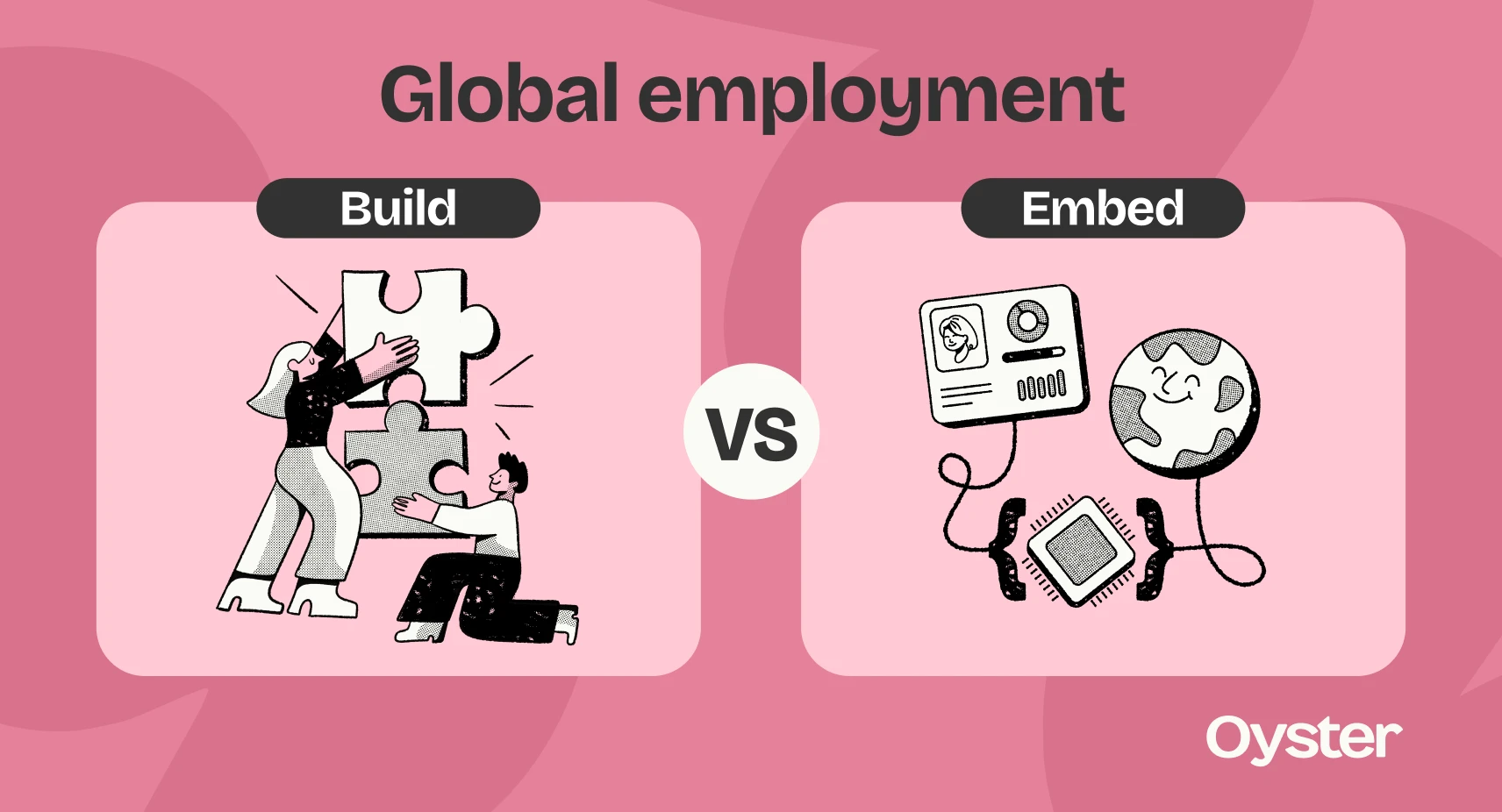
But deciding to offer global hiring capabilities is only the first decision. The second, how you actually get there, is where the real strategic work begins. In our next post, we'll break down the dilemma of whether to build global employment infrastructure yourself, or white label a proven solution.
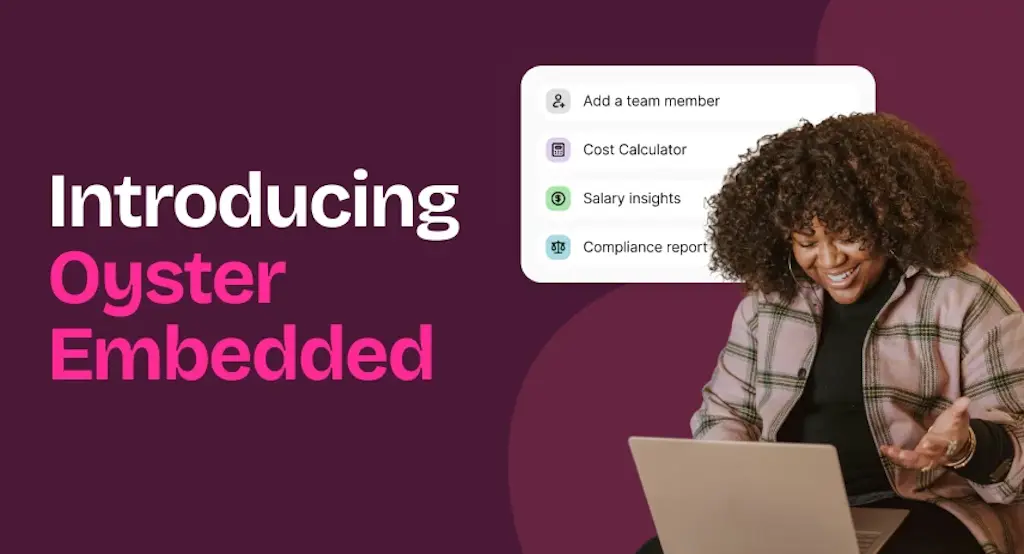
Ready to explore what embedding global hiring could look like for your platform? Book a call with our partnerships team →


.webp)