
In today’s world of work, mentorship isn’t just a “nice to have”—it’s a crucial lever for employee inclusion, growth, and long-term engagement. But as the way we work shifts, so too must the way we mentor.
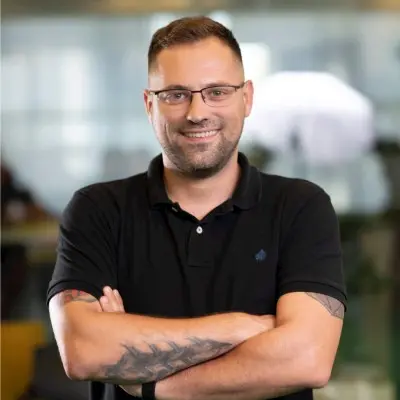
In a recent episode of Oyster’s New World of Work podcast, we sat down with DeMario Bell, Senior Community Manager at Culture Amp, to talk about what it takes to create meaningful mentorship programs in hybrid and remote settings. A first-generation college graduate and long-time community builder, DeMario brings a deeply human perspective to mentorship that’s grounded in intention and empathy.
Here are five takeaways from our conversation that can help People teams create impactful, inclusive mentorship experiences, regardless of where your team works.
Redefine what mentorship means
Traditionally, mentorship is often thought of as a formal pairing or long-standing relationship, but that doesn’t always have to be the case. As DeMario puts it, there’s “capital M” mentorship, which looks like structured, programmatic support, and “lowercase m” mentorship, which is more natural—think regular connection, with moments of encouragement and guidance sprinkled in.
In a hybrid environment, both mentorship approaches matter; but, it’s especially important to create space for informal mentorship to thrive. That means designing intentional moments for cross-functional connection, modeling curiosity and vulnerability from the top, and reinforcing a culture where reaching out is welcomed.
Co-create your mentorship program
To build a mentorship program that’s both inclusive and effective, you have to make building the program a collaborative effort. “You can’t design for people without designing with people,” says DeMario. Co-creation ensures your program reflects the real needs of your team instead of assumptions or check-the-box efforts.
Invite employees to help shape the structure and goals of your mentorship offering. Ask questions to help guide them: Who is this for? What does success look like? What support is needed? And how can we ensure this feels meaningful, not just another initiative?
The result? A program that resonates with the people it’s built to serve and fosters authentic engagement.
Start at the margins
Inclusive design isn’t about making something work for the majority—it’s about designing for the people who are often left out. DeMario emphasizes the power of starting with employees at the margins: BIPOC team members, first-generation professionals, women in tech, or any underrepresented group in your organization.
When you build with those needs in mind, you create a structure that works better for everyone. That might mean launching tailored mentorship tracks, empowering employee resource groups to help lead the charge, or offering flexible formats to accommodate different time zones.
Intentionality is everything
In a distributed workplace, mentorship won’t happen by accident. Without casual hallway conversations or spontaneous coffees, you have to create those moments on purpose. That means:
- Making time for regular, structured check-ins
- Setting clear expectations around goals and communication
- Matching mentors and mentees based on values, not just titles or roles
- Normalizing cross-functional and peer-to-peer mentoring
DeMario reminds us that meaningful mentorship is ultimately about connection. Some of his most impactful relationships were rooted in shared values like faith, identity, or life experience.
Set boundaries—and model them
Mentorship is built on trust, and that starts with clarity. Whether you’re launching a program or acting as a mentor yourself, be clear about what support you can offer and what’s out of scope. This helps avoid burnout and keeps the relationship productive.
DeMario also encourages mentors to take the first step. “Don’t wait for someone to ask for support; offer it,” he says. Especially in hybrid environments, that small outreach can make a big impact.
Build the culture, then the program
When a mentorship program is built intentionally and inclusively, it becomes a powerful engine for employee belonging and development. But creating one in a hybrid workplace starts with more than matching mentors to mentees—it starts with culture.
That foundation will allow you to build a program that reflects the needs of your employees, and ultimately shapes the effectiveness of your program.
Want more insights on building impactful mentorship in today’s workplace? Listen to the full podcast episode with DeMario Bell on Spotify.
About Oyster
Oyster is a global employment platform designed to enable visionary HR leaders to find, engage, pay, manage, develop, and take care of a thriving distributed workforce. Oyster lets growing companies give valued international team members the experience they deserve, without the usual headaches and expense.
Oyster enables hiring anywhere in the world—with reliable, compliant payroll, and great local benefits and perks.